
Solar Energy
Evaluating Rooftop Solar Economics
A decision framework for evaluating solar economics without relying on a generic payback promise.
1 min read
01
Start with the load, not the roof
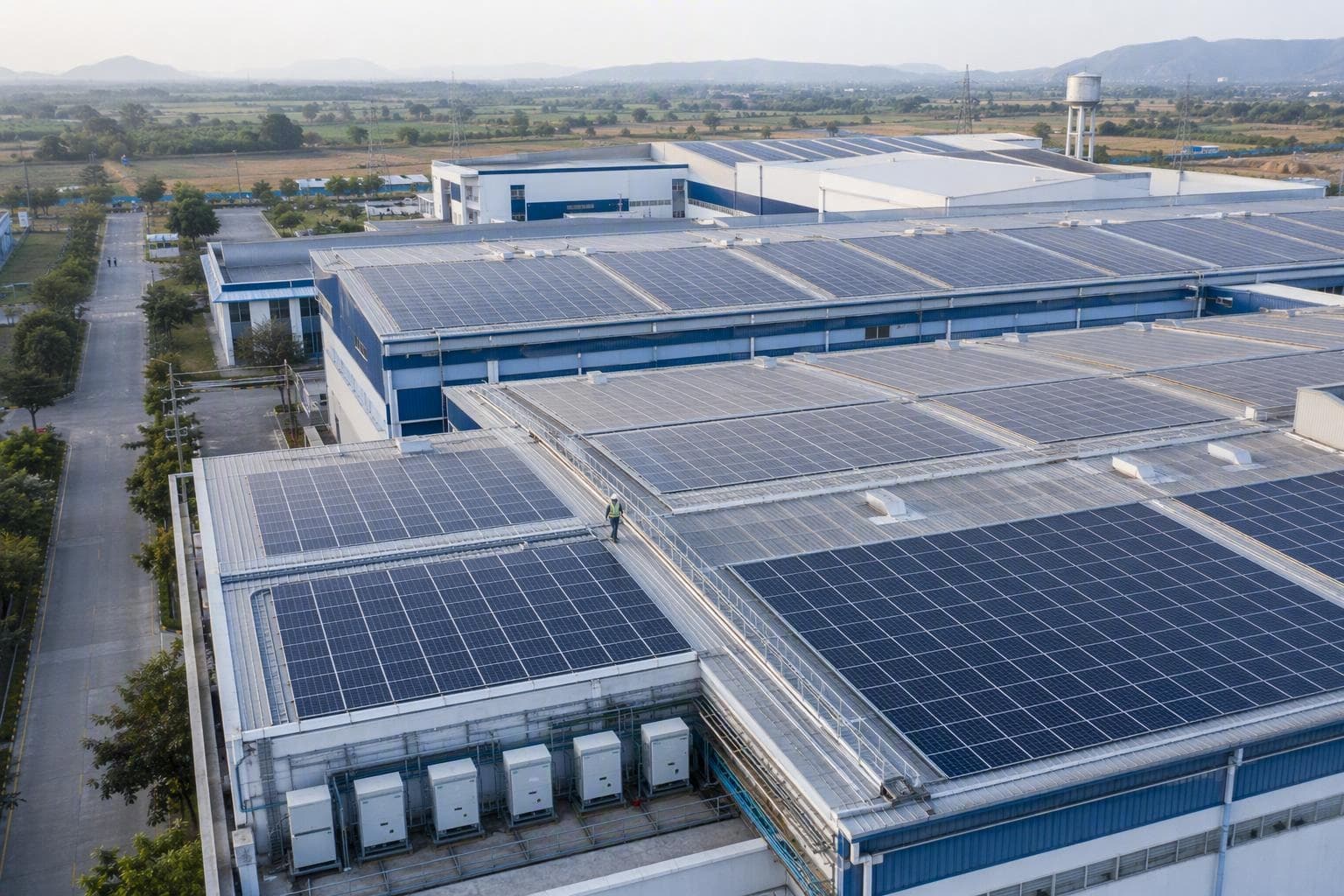
A large roof does not automatically justify a large solar system. The first step is to understand interval consumption, daytime base load, tariff structure and any seasonal changes in operations.
Generation that can be used behind the meter may have different value from exported energy. That is why sizing should follow the consumer's load profile and the applicable utility framework.
02
Model the variables that can move
A credible financial model makes its assumptions visible and tests how the result changes when those assumptions move.
- Usable roof or land after setbacks, shade and access
- Expected generation based on site conditions
- Current tariff and escalation assumptions
- Equipment degradation and availability
- Cleaning, maintenance and inverter replacement provisions
- Financing structure and tax treatment where applicable
03
Engineering quality protects the investment case
Yield depends on much more than module efficiency. String design, inverter loading, cable losses, module orientation, mounting, earthing and maintenance access all affect lifecycle performance.
The investment case and the engineering package should therefore be developed together. A lower initial quote can become a weaker asset if it ignores structural work, electrical protection or serviceability.