
EV Charging
Planning EV Charging Infrastructure
Why the next phase of charging will be defined by site economics, electrical capacity and operating use cases — not charger counts alone.
2 min read
01
Charging is an infrastructure problem
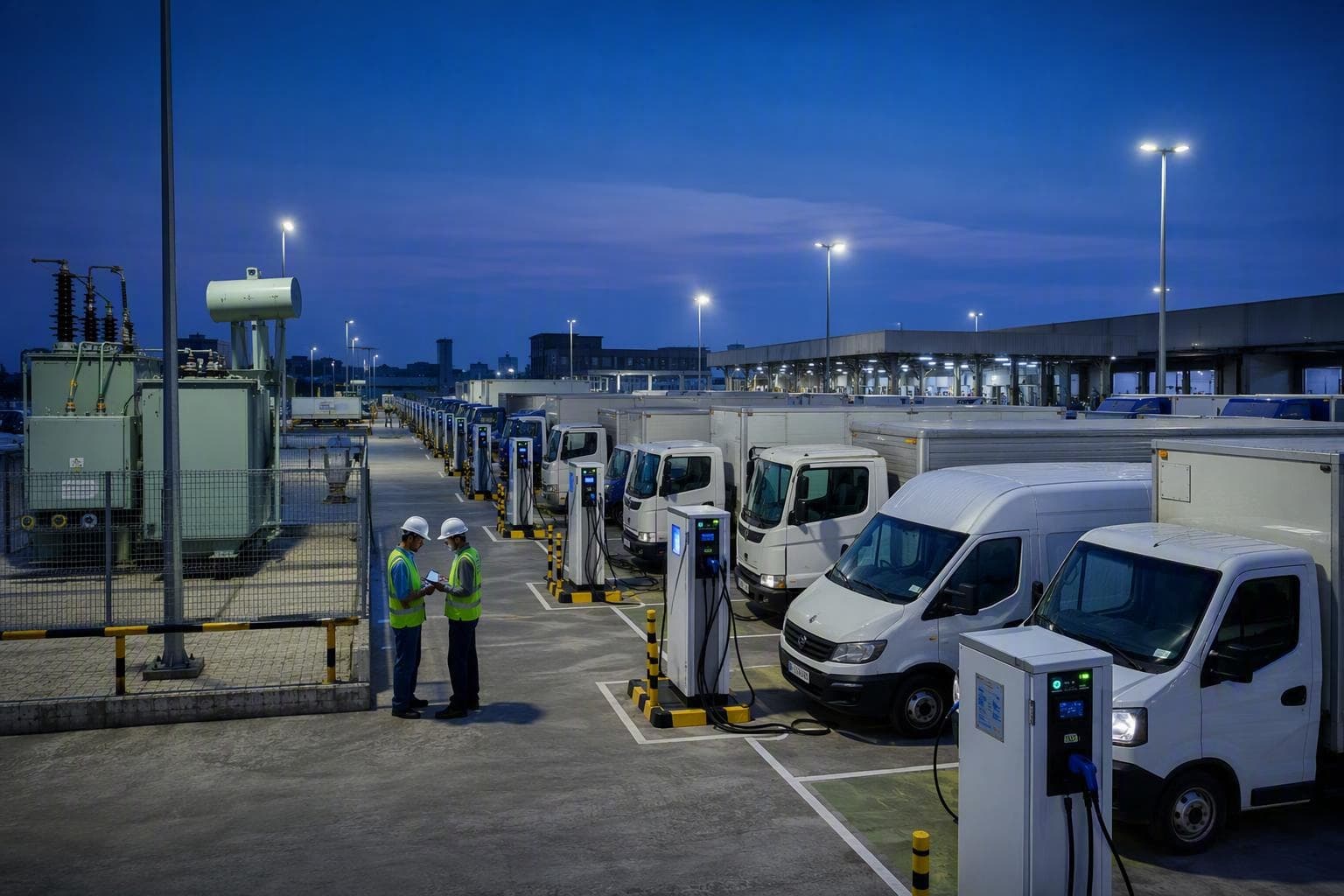
Charging projects involve more than isolated hardware installations. Housing societies, fleet depots, workplaces, retail destinations and highway sites each have different dwell times, energy requirements and commercial logic.
The strongest projects begin by defining who charges, when they arrive, how much energy they need and what the electrical system can deliver. Charger power is a design output, not the starting point.
02
The grid connection shapes the project
Transformer capacity, sanctioned load, diversity and cable routes often determine programme and capital cost. Smart load management can improve how existing capacity is used, but it does not replace a proper electrical assessment.
- Map simultaneous demand rather than adding charger nameplate ratings
- Plan protection, earthing, isolation and cable routing
- Coordinate load sanction and utility requirements early
- Reserve physical and electrical capacity for future phases
03
Utilisation will separate viable sites from visible sites
A prominent location is not automatically a viable charging location. Fleet and destination projects need demand assumptions grounded in vehicle duty cycles, dwell windows, nearby alternatives and operating costs.
For owners, the practical question is not how many chargers can be installed. It is which charging configuration can be operated safely, used consistently and supported over its lifecycle.